Raw Honey vs Filtered Honey: Which One Should Actually Be in Your Kitchen?
Walk into any store and you'll see two kinds of honey sitting on the shelf — one crystal clear and pourable, the other cloudy, thick, sometimes even half-solid. Most people assume the clear one is "pure" and the cloudy one has gone bad. Honestly? It's the opposite of what you'd expect, and once you know why, you'll never look at a honey jar the same way again.
Why Does Raw Honey Look... Weird?
Let's be real — raw honey doesn't always look appetizing at first glance. It crystallizes fast, sometimes within weeks, turning from a smooth liquid into something closer to soft sugar. People see that and think it's spoiled, or worse, that it's "fake" or cut with sugar. It's neither. That crystallization is just raw honey being honey — nothing has been added, nothing has gone wrong. It's simply what happens when you don't strip out the natural pollen and fine particles that cause sugars to crystallize faster.
The problem is, most of us have been trained by supermarket shelves to expect honey to look like golden syrup forever. So when raw honey doesn't behave that way, people hesitate to buy it — even though that "imperfect" look is actually a sign of how untouched it is.

So Why Does Filtered Honey Look So Perfect?
Filtered honey goes through extra processing to remove pollen, wax, and tiny air bubbles. The result is exactly what most shoppers want: a clear, smooth, pourable jar that stays liquid for months without crystallizing. It's predictable. It looks the same every time. And for a lot of people, that consistency matters — especially if you're using honey daily in tea, baking, or just want something that pours easily straight from the jar.
Here's the honest part: filtering does reduce some of the natural enzymes and pollen content compared to raw honey. But it's still real honey — not fake, not synthetic, just honey that's been refined for a smoother, more consistent experience.
The Real Difference, Without the Sales Pitch
| Raw Honey | Filtered Honey | |
|---|---|---|
| Appearance | Cloudy, crystallizes over time | Clear, stays liquid longer |
| Texture | Can turn thick or grainy | Smooth and pourable |
| Enzymes & nutrients | Higher | Slightly reduced |
| Flavor | Bold, varies batch to batch | Milder, more consistent |
| Shelf appeal | Less "store-shelf pretty" | Looks clean and uniform |
Neither one is the "wrong" choice. It genuinely comes down to what you're looking for — maximum natural goodness, or a consistent, easy-to-use honey for everyday life.
Which One Should You Pick?
If you want honey closer to how it comes straight out of the hive — rich in natural enzymes, more complex in flavor, and you don't mind it crystallizing over time — go raw.
If you'd rather have something that looks clean, pours smoothly, and works the same way every single time you open the jar — filtered is the practical choice, and there's nothing wrong with that.
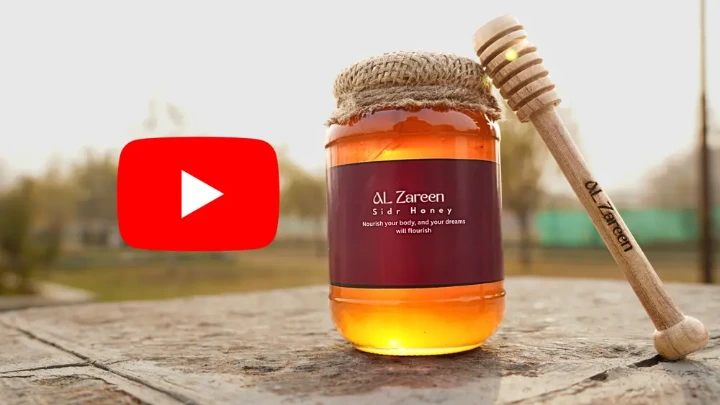
Our Take at Al Zareen
We don't believe in pushing one over the other just because raw "sounds healthier" in marketing. That's why we offer both. Some of our customers love the rustic, ever-changing character of our raw Acacia and Sidr honey. Others prefer the smooth, consistent pour of our filtered range for everyday use. Both are sourced the same way — straight from the forests of Kashmir, hand-packed at our facility in Lal Chowk, Srinagar.
The only "wrong" choice is buying honey that doesn't tell you the truth about what's in the jar. We just want you to know exactly what you're getting either way.
Explore both our raw and filtered honey collections and pick the one that fits how you actually use honey at home