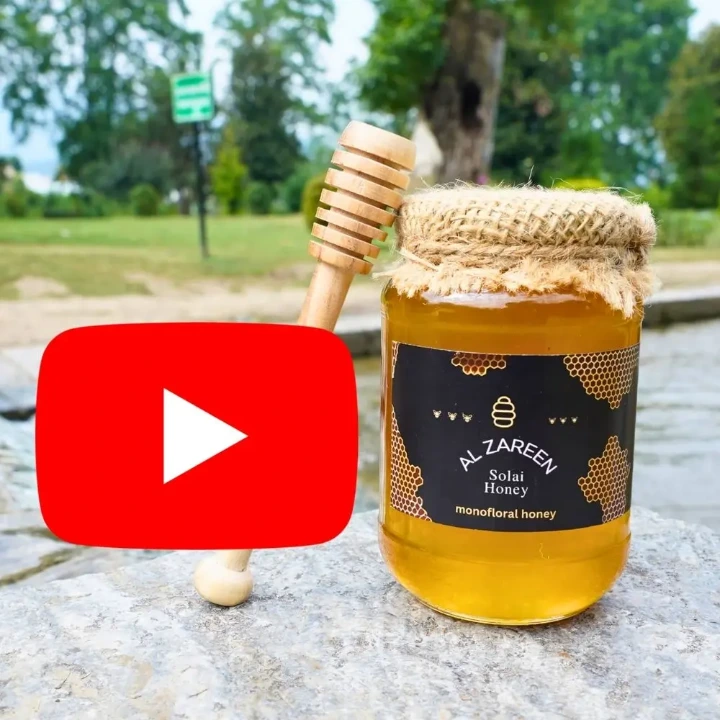
A simple guide to understanding and safely melting raw honey crystals
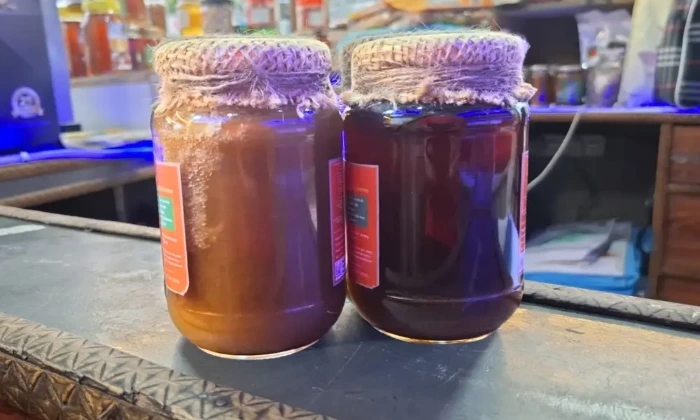
If you've opened a jar of raw honey and found it thick, cloudy, or grainy instead of smooth and liquid — don't worry. This is called crystallization, and it's completely natural.
Why Does Honey Crystallize?
Raw, natural honey contains glucose and fructose in varying ratios. Over time, glucose naturally separates from water and forms tiny crystals. This process speeds up in cooler temperatures and is more common in raw, unprocessed honey — like Al Zareen's — because nothing has been filtered out or artificially stabilized.
Important: Crystallization is a sign your honey is raw and natural, not a sign it has gone bad.
Is It Safe to Melt Crystallized Honey?
Yes, it's completely safe to melt crystallized honey back to its liquid form — as long as you do it the right way.
How to Safely Melt Crystallized Honey
- Use a warm water bath — Place the honey jar (lid off, or loosely covered) in a bowl of warm water, ideally between 95-110°F (35-43°C). Never boiling.
- Stir occasionally — This helps the crystals dissolve evenly.
- Avoid microwaving — High, uneven heat can damage the natural enzymes and nutrients in raw honey.
- Avoid direct stovetop heat — This can overheat the honey unevenly and affect its flavor and quality.
What to Avoid
- ❌ Boiling water
- ❌ Microwave heating
- ❌ Direct flame or stovetop contact
Excessive heat can break down the natural enzymes that make raw honey valuable in the first place — so gentle, gradual warming is always best.
Does Crystallized Honey Need to Be Melted?
No — crystallized honey is still perfectly good to eat as-is. Many people enjoy the thicker, spreadable texture on toast or paratha. Melting it is simply a matter of preference if you want it back in liquid form.
The Bottom Line
Crystallization is a natural process, not spoilage. If you prefer your honey liquid, a gentle warm water bath is the safest way to melt it back — just avoid high heat, which can affect the natural goodness raw honey is known for.